PUBLISHED RESEARCH
Fatigue monitoring & worker trust
Published research examines how construction professionals perceive, trust, and prefer subjective, objective, and hybrid fatigue-monitoring approaches.
GEORGIA SOUTHERN UNIVERSITY · FOUNDER & DIRECTOR: TOMMY TAFAZZOLI
Safety, Applied Research, Fatigue, and Ergonomics
Developing practical, evidence-based approaches to construction-worker safety, human performance, fatigue management, and technology adoption.
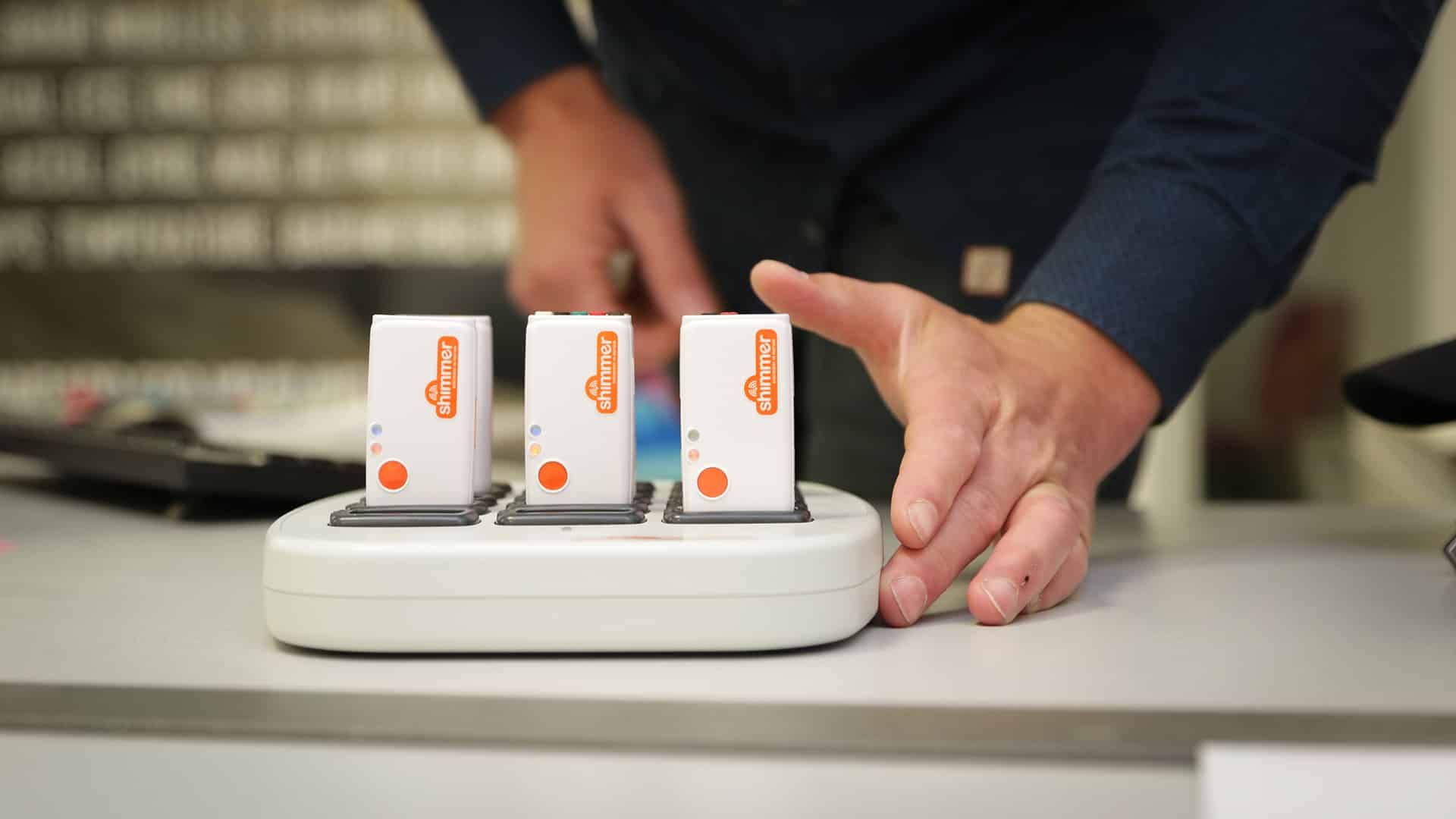 WEARABLE MEASUREMENT · HUMAN PERFORMANCE
CURRENT RESEARCH
PUBLISHED RESEARCH
Published research examines how construction professionals perceive, trust, and prefer subjective, objective, and hybrid fatigue-monitoring approaches.
PUBLISHED RESEARCH
A published multidimensional framework examines what smart-garment technologies need to progress from laboratory prototypes to sustainable deployment.
FUNDED FIELD RESEARCH
The Job-Site Safety Institute-funded field-intervention project is developing low-burden, bilingual fatigue-reset tools for workers and supervisors.
LABORATORY CAPABILITY
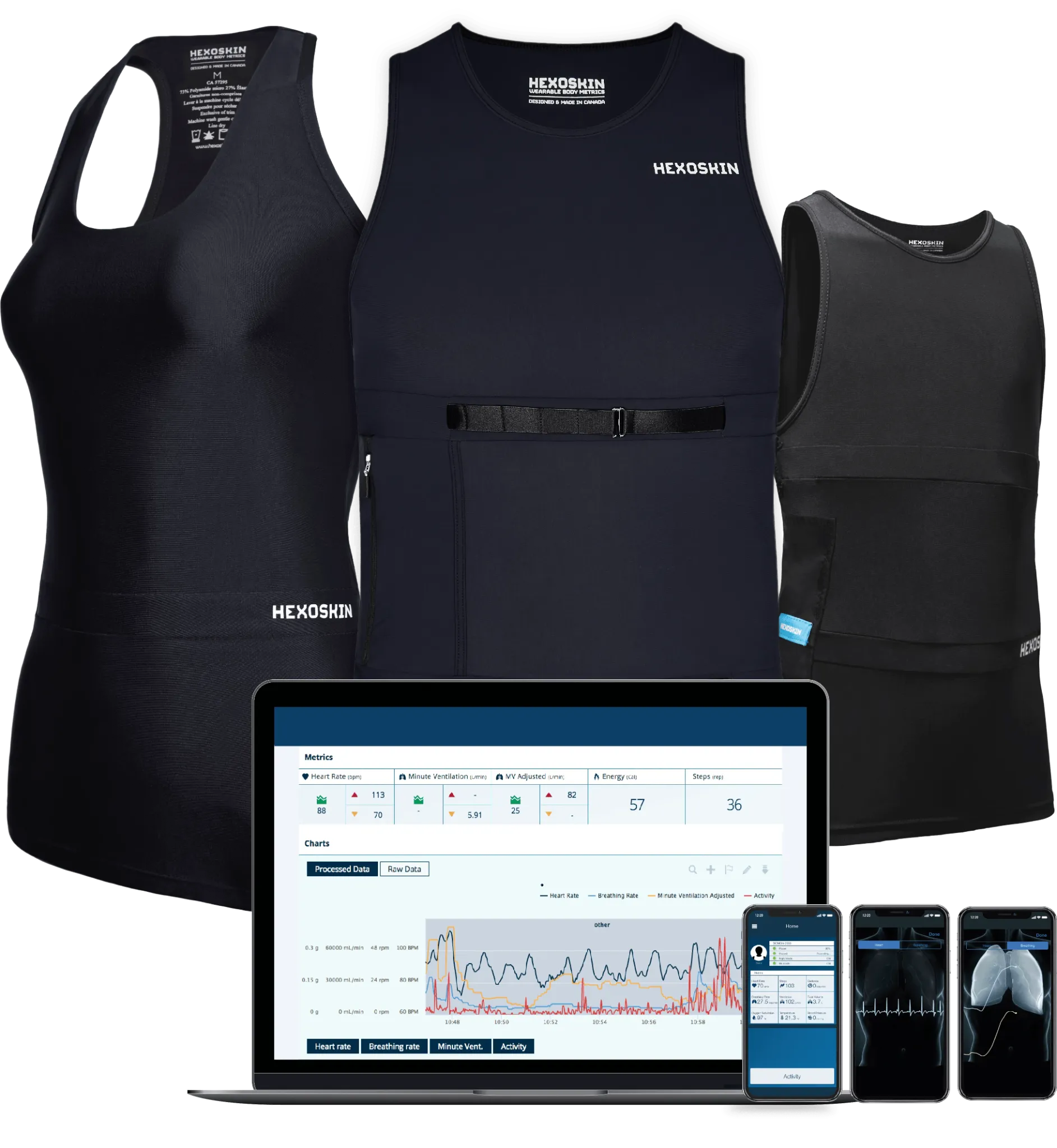
Physiological monitoring for research in fatigue and human performance.
Measurement platforms for physiological and movement-related research.
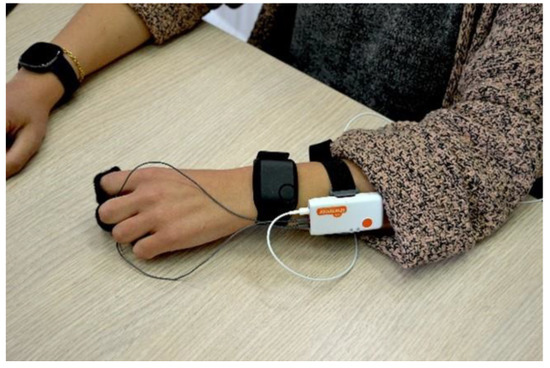
Research themes include heart-rate variability, multimodal sensing, worker trust, technology adoption, intervention, and predictive analytics.
STUDENTS & RESEARCH DEVELOPMENT
Graduate and undergraduate involvement connects study design, literature review, measurement, analysis, scholarly writing, and presentation. Mentoring emphasizes research quality and professional confidence.
Mentoring & published outcomes ↗DIRECTIONS FOR THE NEXT STAGE
LAB SCHOLARSHIP
2026 · Journal article
Buildings, 16(11), 2091
Safety & human performanceRead paper2026 · Journal article
Sustainability, 18(16), 8359
Safety & human performanceRead paper2026 · Journal article
Buildings, 16(17), 3347
Sustainability & resilienceRead paperRESEARCH · TEACHING · PROFESSIONAL ENGAGEMENT
Interested in field partnerships, wearable-sensing research, construction safety intervention, or graduate research collaboration? Let’s discuss the question and the setting.